Treating Children Differently While Loving Them The Same
Share this article:
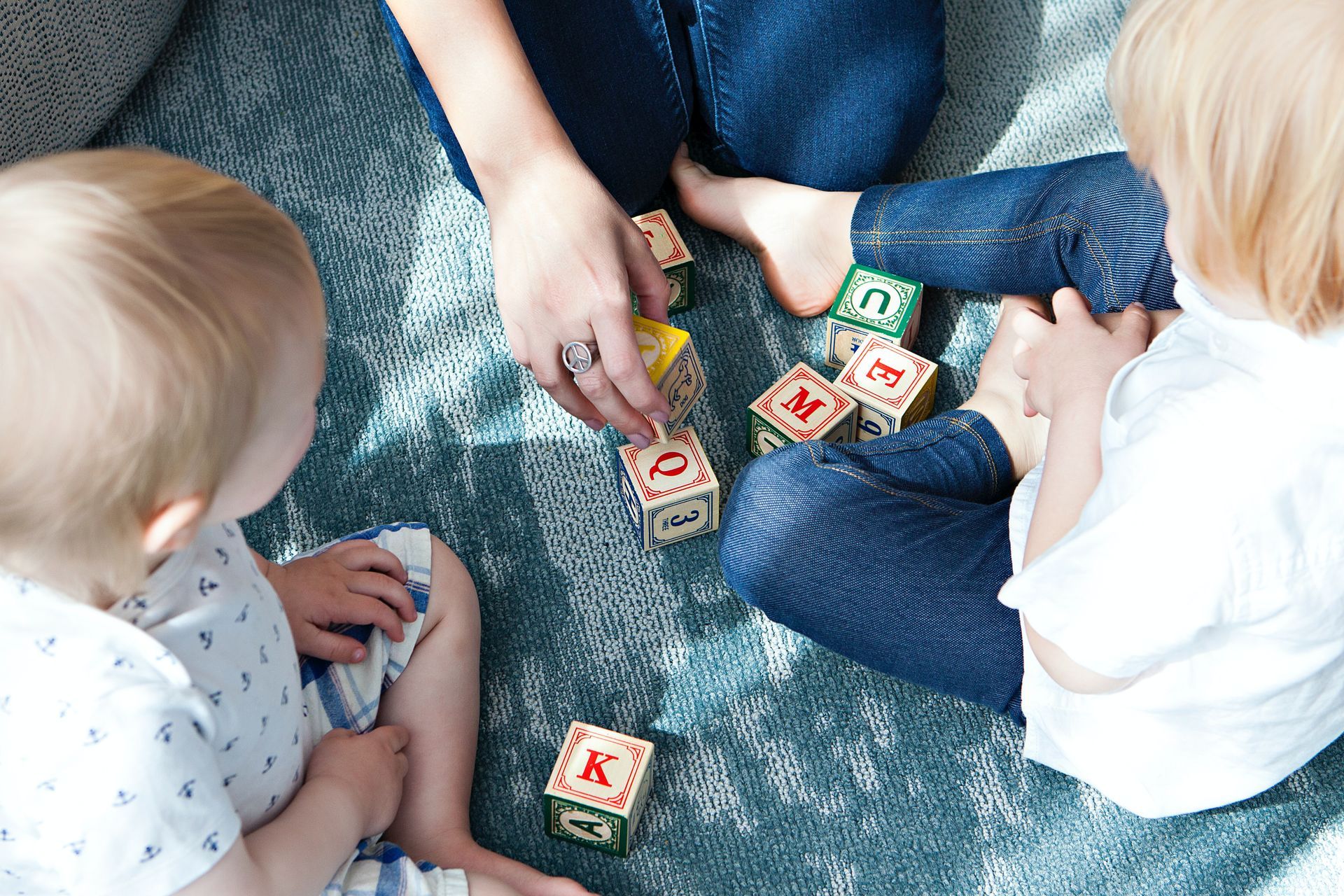
Of course you want to treat your children fairly, but because kids are different you’ll find you won’t be able to treat them all the same. That doesn’t mean you don’t love them equally. But you may have to structure things a little differently for each child.
When you say “harder”, I assume your question is more about how to discipline your children than how to treat them. In the area of discipline, more important than being equal is being consistent. I don’t know how old your children are, but I’ll assume they’re under 12. If your children are close to the same age, they should all have basically the same rules and the same consequences.
In that case, you really aren’t being harder on any one child. In essence, if she disobeys the rules, she’s being harder on herself. Remember that your goal is to be consistent. That avoids any appearance of favoritism. Unfortunately, in some cases, you may find yourself having to be consistent more often with one child than another!
A child’s behavior is more trained than taught. You can’t always reason with a child. You’ve set rules and it’s important for your child needs to learn to respect the rules and you as a parent.
One training method I recommend, “1 – 2 – 3 Magic”, was developed by child psychologist Thomas W. Phelan, PhD. He has a book and tape series you may want to check out at your local library or bookstore. (This method works for many children, but not all. Be sensitive of your child’s uniqueness.) Here’s how it works:
You sit down with your child and explain the system in their language. It’s a good idea to make eye contact with the child, use vocabulary that’s age appropriate and ask them to acknowledge they know what’s expected of them.
For instance with a four-year-old, you may say “Suzie, when you disobey, I’m going to count to three. If I get to three and you haven’t obeyed me, I’m going to send you to your room for a 4 minutes time out. Do you understand?”
Time out is usually a good consequence for small children. I suggest the number of minutes in time out correspond to his age. As children grow older, you may want to change the consequences to line up with their personality. For one it may be no computer time and for another no playing outside.
Back to your small children. Counting is a good system because it gives the child a set time limit to obey or face the consequences. The amount of time he has to modify his behavior is the same for each child in every situation. And the consequences don’t change. Sometimes it’s easier for a parent to be firmer on bad days and more lenient on good days. This method reduces that potential for inconsistency.
Counting also allows you to detach yourself emotionally. You’ve set the rules, now you just need to carry out the action plan. And it is fairer to all your children because no one gets more or less chances.
On the other hand, don’t make your counting a lesson in fractions. I’m sure you’ve heard other parents or maybe yourself counting: “: one… two …two and a half… two and three quarters…” Stick to whole numbers and don’t go beyond three.
Most importantly, both parents need to agree on this system. It will be impossible if the child gets conflicting messages. Children seem to innately know how to divide and conquer parents. So work together and be consistent.
Remember, although at times it may be hard to be consistent, doing so will make your life easier and will eventually teach your child valuable life skills.
Frequently Asked Questions
Is it unfair to treat my children differently?
Not necessarily. Fair does not always mean identical. Children have different ages, temperaments and needs, so loving them equally often means responding to each one differently.
How can I avoid favoritism between siblings?
Stay consistent with rules and consequences, spend one-on-one time with each child, avoid comparisons, and explain why a different approach fits a child's age or needs.
Why does one child seem to need more discipline?
Some children test limits more than others. Consistently applying the same rules may simply mean you enforce them more often with that child, not that you love them less.
What is the 1-2-3 Magic approach?
1-2-3 Magic, developed by child psychologist Thomas W. Phelan, uses a simple counting system with calm, consistent consequences to reduce arguing and help children learn to stop unwanted behavior.
When should parents get help with sibling or behavior problems?
If conflict between siblings is constant or a child's behavior feels unmanageable, a child or family therapist can help. Fox Valley Institute offers family counseling in Naperville and by telehealth across Illinois. Call (630) 718-0717 to get started.
Additional Resources:
https://fvinstitute.com/treating-children-differently-while-loving-them-the-same/
https://fvinstitute.com/reasons-girls-bully-ways-help-teen-harsh-realities-teenage-girl/
https://fvinstitute.com/school-refusal/
https://fvinstitute.com/raising-a-teenager-without-raising-your-blood-pressure/
https://fvinstitute.com/adult-children-of-substance-abusers-dealing-with-a-legacy-of-family-dysfunction/
https://fvinstitute.com/healthy-sleeping-habits-for-children/
https://fvinstitute.com/tips-raise-self-esteem-teens/
https://fvinstitute.com/using-thought-defusion-cope-teenage-anxiety/
https://fvinstitute.com/tips-teen-anxiety-start-school-year/
https://fvinstitute.com/strengthen-parent-child-connection-attachment-based-parenting-tips/
Connect with Us:

Written by the Fox Valley Institute Clinical Team
Our licensed therapists and psychologists see clients in our Naperville office and by Telehealth anywhere in Illinois. Questions, or ready to get started? Text or call (630) 718-0717 or email clientcare@fvinstitute.com. 640 N River Rd Ste 108, Naperville, IL 60563.
Find a therapist in Naperville
Visit our staff page and easily find a therapist that aligns with your unique needs and preferences.

What our patients say about us



Connect with Us: